Richland, WA — (August 18, 2026)
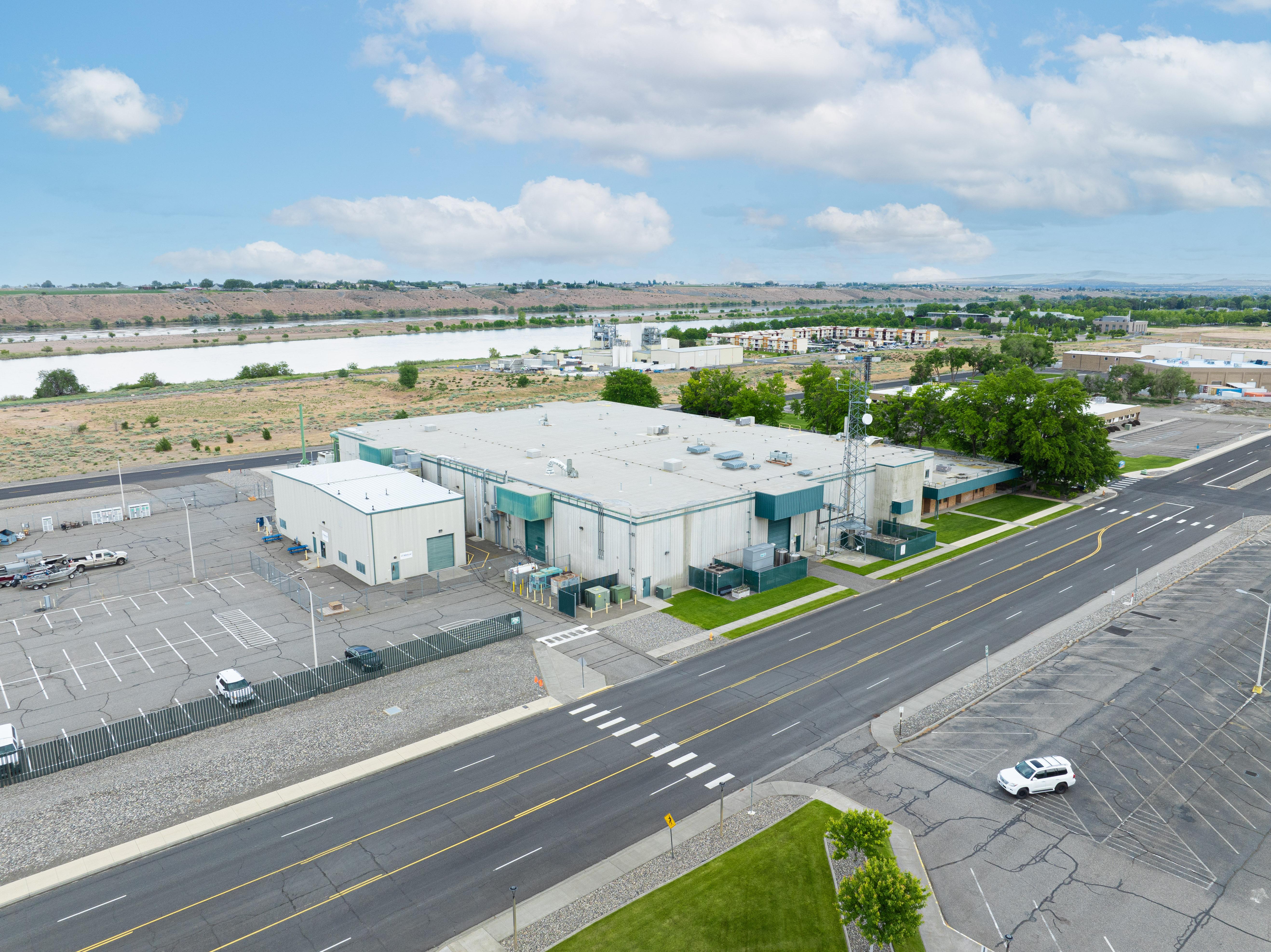
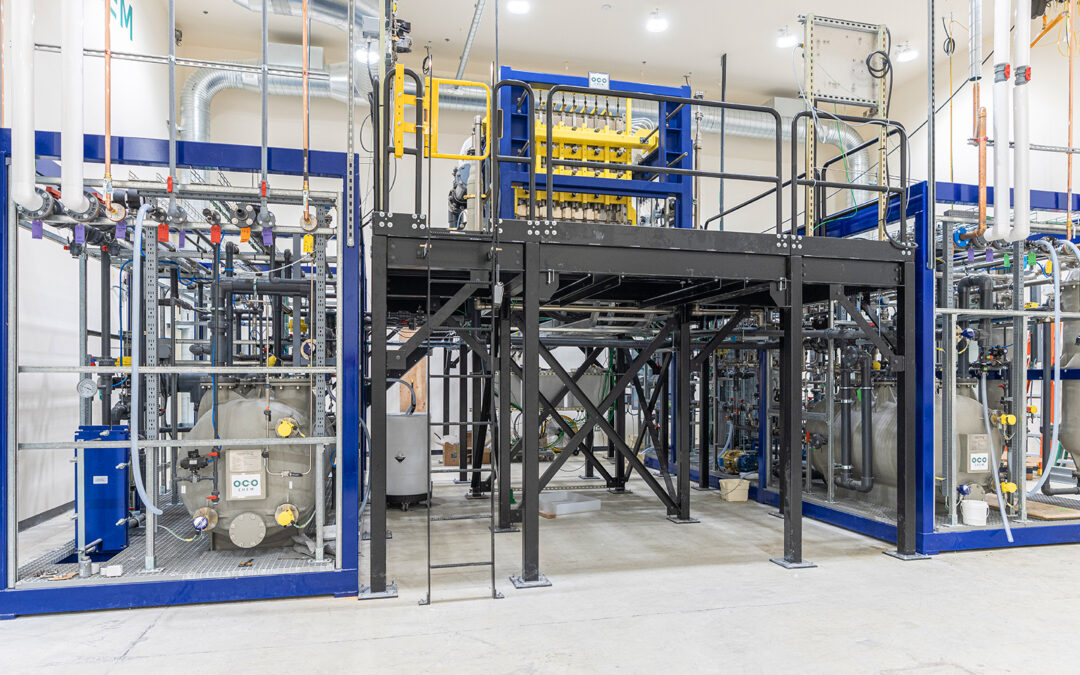
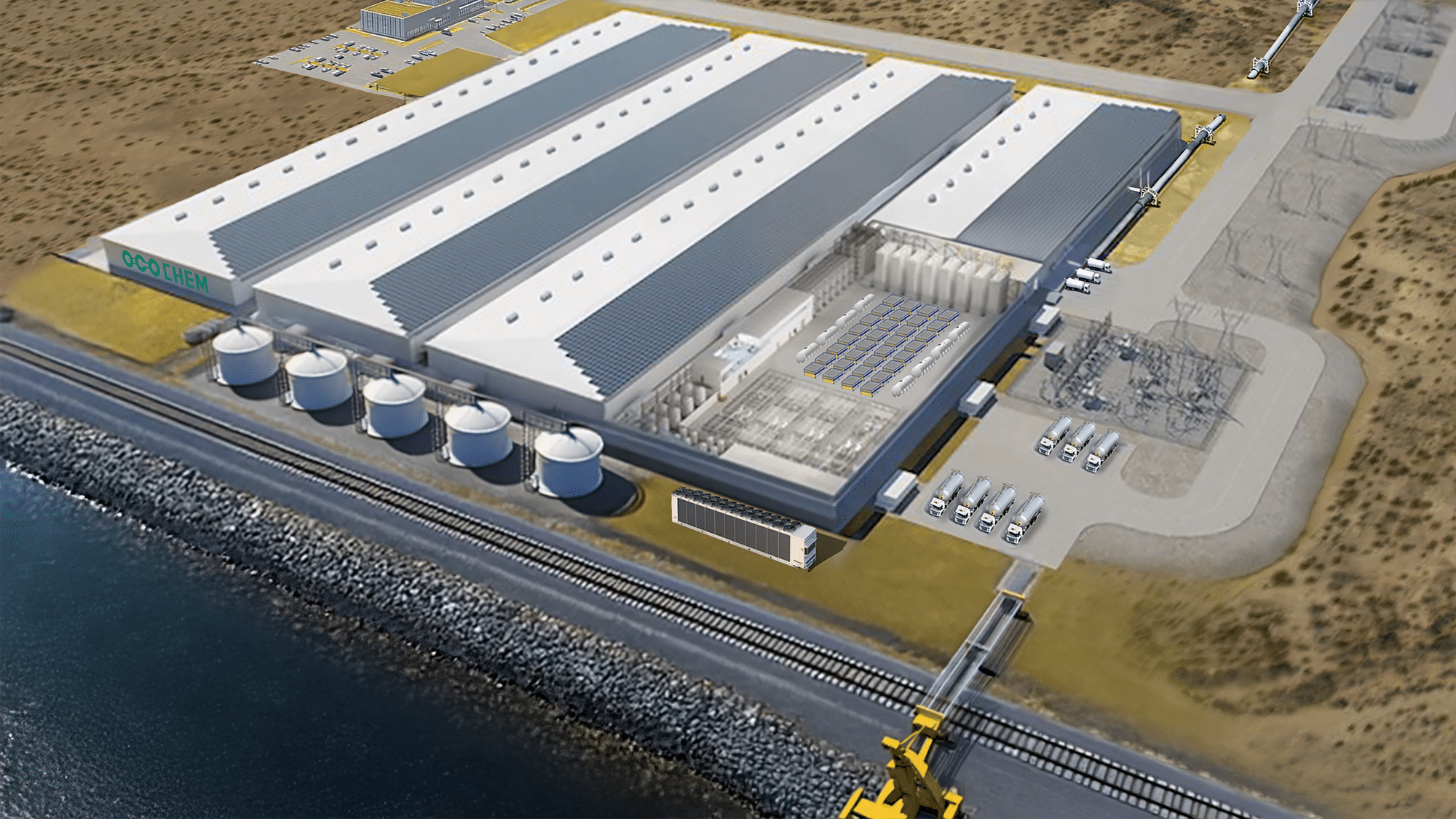
 OCOchem and partners will develop a study for value-added chemicals produced from waste gas at small and mid-size industrial facilities. The Preliminary Front-End Engineering Design study will define technology feasibility, economics, and engineering requirements for post-combustion capture and conversion to formic acid at 25% lower costs than incumbent formic acid production targeting co-location with a potato processing plant owned and operated by Lamb Weston in Richland, WA.
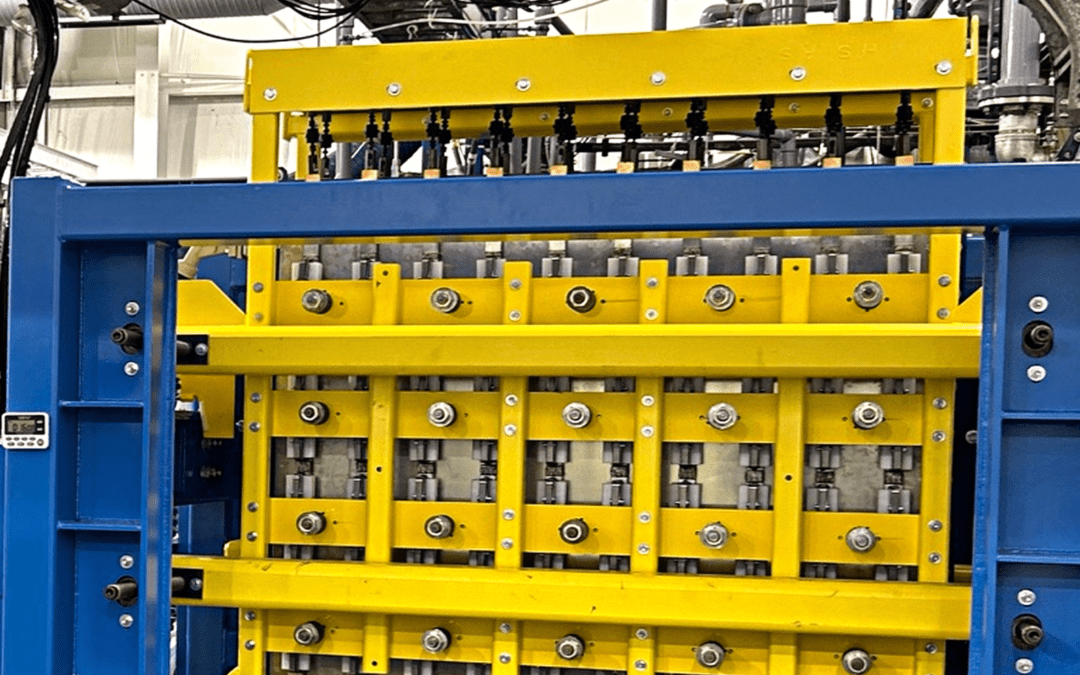
The project advances multiple next-generation technologies, including OCOchem’s large format (1.5m2) high current density gas diffusion electrodes and Ionada’s hollow fiber membranes. TRIDEC will assist technical team members with Community Outreach.
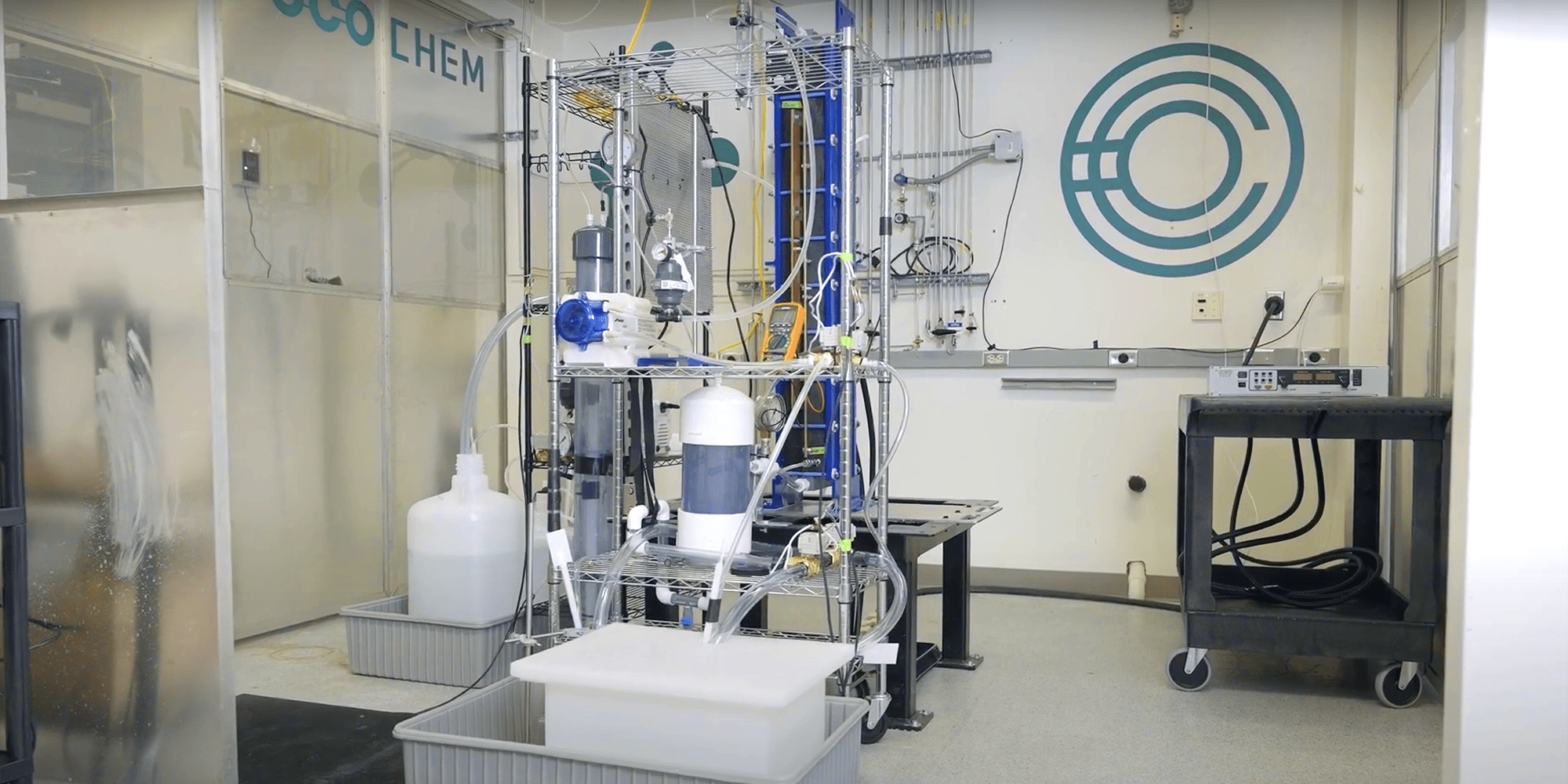
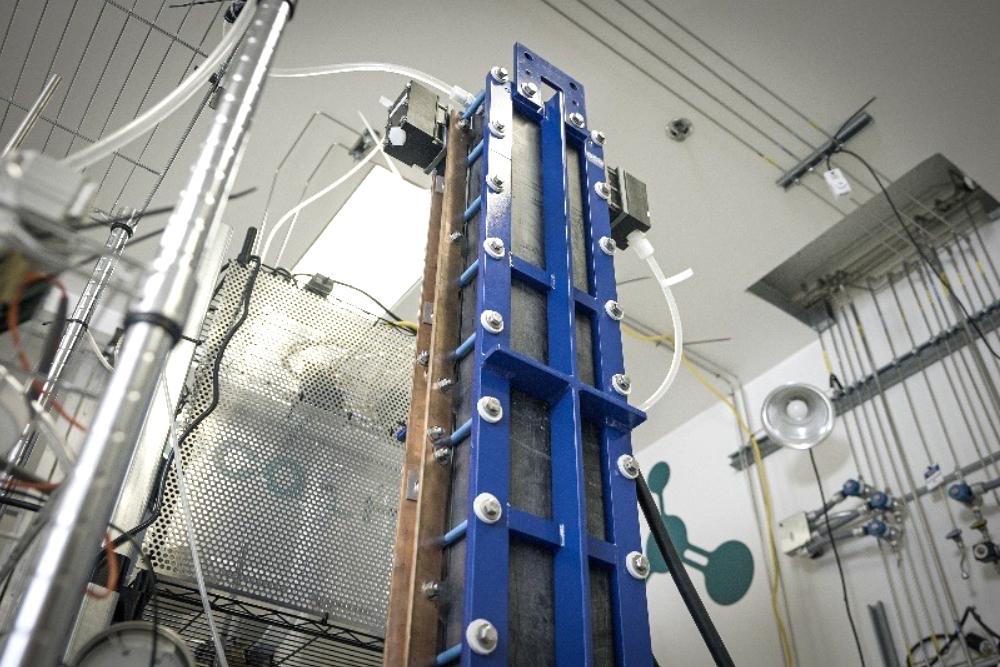
CO2 Electrolysis technology company OCOchem, carbon capture technology company Ionada and the potato processing company Lamb Weston, are collaborating to make the high costs of carbon capture and conversion more affordable by preparing a pre-FEED (front-end engineering design) study that will pair on-site industrial carbon capture with on-site carbon conversion to make value-added formate chemicals.
By making value-added products from recycled CO2, rather than from fossil fuels, the magnitude of CO2 emission reductions can be accelerated by more than 7 times relative to CO2sequestration alone, therefore providing a more environmentally and economically sustainable and impactful solution to industrial decarbonization for small and mid-size CO2 industrial emission sources in the US which currently constitute 92% of all CO2 emission sites, according to the EPA.
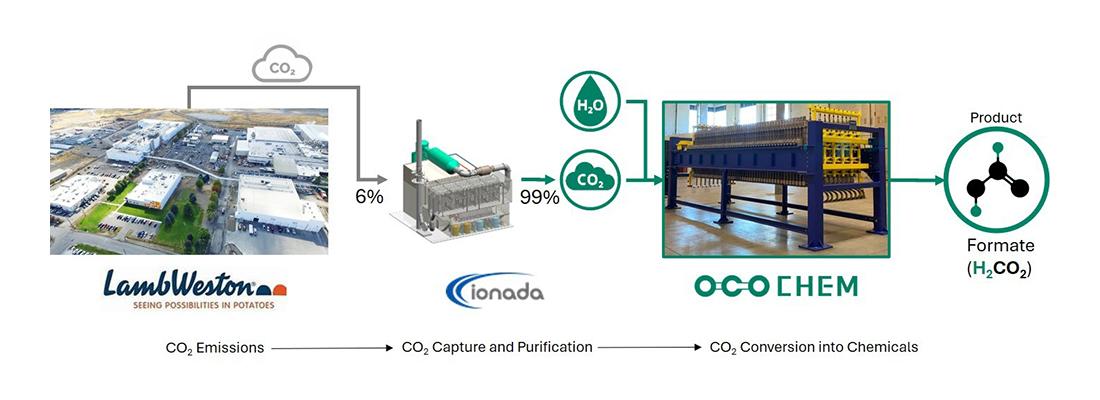
Project Summary:
OCOchem, Ionada and Lamb Weston propose to prepare a pre-FEED study to design and estimate the cost of building an integrated carbon capture and conversion facility co-located with Lamb Weston’s Richland potato processing plant which will capture and convert 50,000 tons per year of CO2, extracted from the flue gas emissions of the potato processing plant into 60,000 tons per year of formate product. The project will also prepare a Life Cycle Analysis of the carbon emission profile of the project and will work with the local economic development agency, TRI-DEC, to engage with community stakeholders to discuss the project and incorporate community feedback into the design process
About DOE and ITO
The mission of the Energy Department is to ensure America’s security and prosperity by addressing its energy, environmental and nuclear challenges through transformative science and technology solutions. The Industrial Technologies Office (ITO) funds research, development, pilot-scale demonstrations, and technical assistance and workforce development to increase competitiveness of the U.S. industrial base in global markets.
For more information about this project, visit:
https://www.energy.gov/cmei/ito/ito-fy23-fy24-selections